
Nyerere National Park
How Safaris Work Across Different National Parks
- Each park offers a unique ecosystem and wildlife experience.
- Safaris are conducted by licensed guides in 4x4 vehicles.
- Entry is controlled and fees apply per 24 hours.
- Accommodations are located inside or near the parks.
Frequently Asked Questions
What are the park fees and how are they paid?
Park fees vary depending on the park and are set by TANAPA or NCA. They are usually included in your safari package and paid by your tour operator. If you’re visiting independently, fees are paid at the park gate by card or via operator prepayment—cash is not accepted.
Is it safe to visit national parks in Tanzania?
Yes, Tanzania’s national parks are generally very safe for tourists. Game drives are conducted by professional guides, and camps/lodges follow strict safety protocols. Always follow your guide’s instructions, especially regarding wildlife and movement after dark.
What should I pack for a safari in a national park?
Essential items include neutral-colored clothing, a hat, sunscreen, binoculars, insect repellent, camera, and a reusable water bottle. Temperatures can drop at night, so a light jacket is also recommended, especially in highland parks like Ngorongoro.
Can I self-drive in Tanzanian national parks?
Self-driving is possible in many parks, but it’s only recommended for experienced travelers due to rough roads, navigation challenges, and wildlife risks. Most visitors choose guided safaris, which offer better wildlife tracking and local knowledge.
Send us enquiry
Do you want to travel with us? Please, send your enquiry to info@www.gennexttours.co.tz
Circuit :
Northern Circuit
Area :
30,000 Km2
Species Available :
30
Best Time to visit :
August
Now the Largest National Park in Africa, Nyerere National Park is a newly established Park which is part of what is known as Selous Game Reserve.
The name of the Park is given in honor of the founder of the Nation, the Late Mwalimu Julius Kambarage Nyerere.
The Park has been established in year 2019 and cover an area of over 30,000 square kilometers.
With its largest wilderness area in Africa, Nyerere National park has relatively undisturbed ecological and biological processes, including diverse range of wildlife with significant predator and prey relationship.
The might Rufiji with its renown population of hippo and Rhino flows to Indian ocean. The river has been designated as a photographic zone and is a popular tourist destination.
The sheer volume of game in the Nyerere is just outstanding !
Elephant, buffalo and lion are found in greater numbers and the park, together with the remaining part of Selous has the last true stronghold for African wild dog
Visitor to this vast park will be able to enjoy the widest diversity of safari activities in the country, like boating safaris as well as standard game drives, walking safaris and legendary fly camping trips.
Key Attraction
The key attractions of Nyerere National Park include:
- Cultural Interaction with the Hadza
- Diverse Ethnic Communities
- Bird Watching
- Scenic Landscapes
- Ecological Diversity
- Lake Eyasi Camps
Best Time To Visit
The best time to visit Nyerere National Park largely depends on personal preferences and the type of experience you seek. However, there are two primary seasons to consider:
- Dry Season (June to October)
- Green Season (November to May)

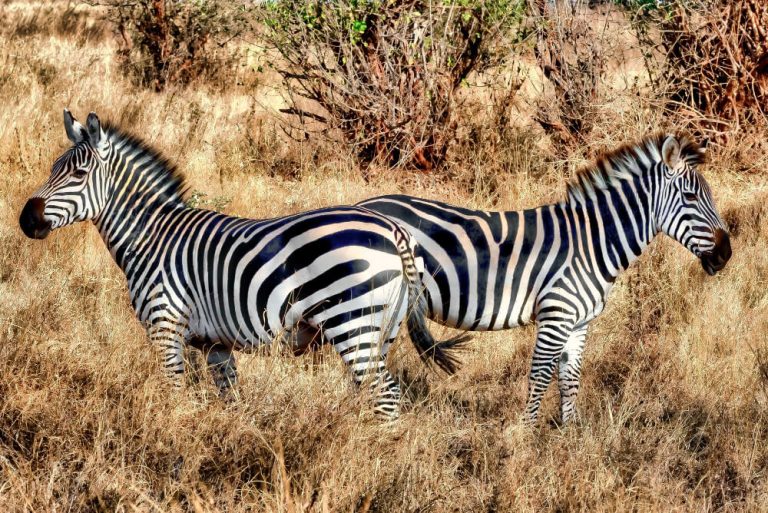
- Large Mammals:Elephants, buffalo, giraffes, zebras, hippos, rhinos (including black rhinos), lions, leopards, and cheetahs are all found in the park.
- Antelope:Puku, waterbuck, sable antelope, wildebeest, eland, kudu, impala, and hartebeest are among the antelope species present.
- Other Mammals:Spotted hyenas, African wild dogs (a particularly notable population), vervet monkeys, baboons, and various smaller mammals inhabit the park.
- Reptiles:Nile crocodiles are abundant in the Rufiji River.
- Birds:Over 440 bird species have been recorded in Nyerere National Park, including various waterfowl, raptors, and ground-dwelling birds.
- Unique Attractions:The park is known for its large herds of elephants, buffalo, and hippos, especially along the Rufiji River during the dry season. The African wild dog, a rare and endangered species, is also a major attraction.
INVOLVE TODAY
DISCOVER TANZANIA WITH CONFIDENCE
More than 3,000 travelers have trusted us to guide their wild adventures. Our expert guides, curated routes, and personalized experiences make every safari unforgettable.